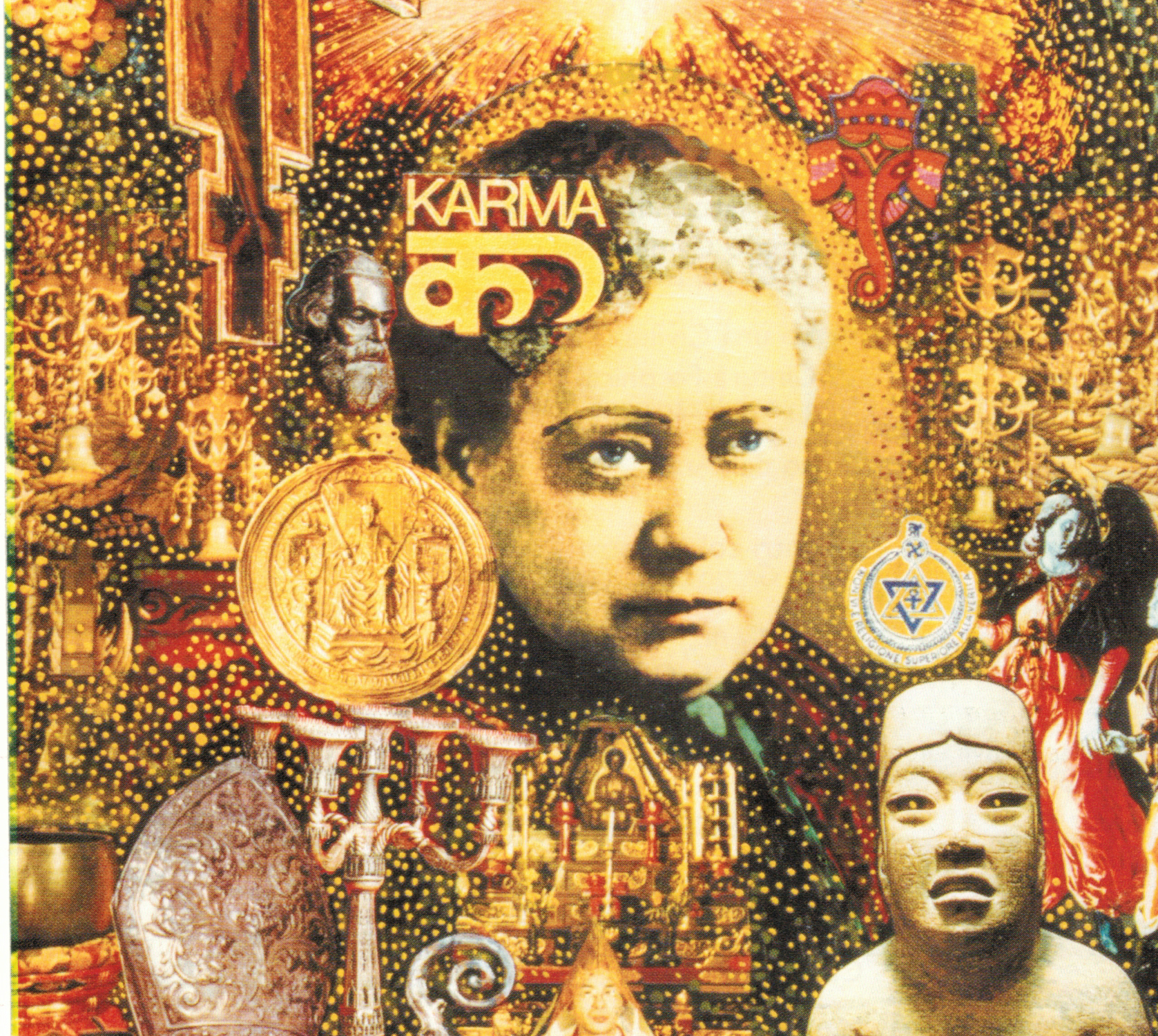
For some time now I have been compiling a paper on the Ascona and Monteverità characters who have animated the surroundings of Luigi Pericle’s house, built by Nell Walden, and now ours (Greta and Andrea Biasca-Caroni, writing). It is not a book but an assemblage of biographies written by researchers. It is already readable and I will soon have it printed …
In the beginning was Theosophy …
The Dream of Alfredo Pioda
Alfredo Pioda (Locarno, 1 November 1848 – Locarno, 7 November 1909) was a Swiss theosophist, jurist and politician.
He studied law and philosophy at the universities of Pisa, Turin and Heidelberg and was an expert in history, literature, theosophy and spiritualism. He published many articles in various journals and books on these subjects, and also worked as a translator. In politics he was a member of the Grand Council of Canton Ticino from 1893 to 1909 and then of the National Council.
In 1889, Pioda together with Franz Hartmann and Countess Constance Wachtmeister tried to build a theosophical convent with the name Fraternitas on the then Monescia, which was largely his property. The convent was not realised. In 1900, the founders of the Monte Verità cooperative went to that land.[2][3]
Why then did Pioda not realise the secular convent but sold the land to Oedekoven? This parallel story continues here …
According to the accounts of some historians, it was a lawyer from Molfetta, a Mazzinian and member of the Carboneria, exiled to Corfu – Pasquale Menelao – who created the first lodge in Europe of the Theosophical Society on the Greek island as early as 1877. As for Italy, it is from 1890 – or perhaps 1891 – that an organised presence seems clearly attested, with the birth of the first centre in Milan (of which Pioda would be president).
In the 19th and early 20th century, Ticino, a republic and a canton since 1803, became a passage to the south and a privileged destination for a group of unconventional loners who found in the region, with its southern atmosphere, fertile ground in which to plant those seeds of utopia that they had failed to cultivate in the north.
Ticino came to represent the antithesis of the urbanised and industrialised north, a sanctuary for any kind of idealist. From 1900 onwards, Mount Monescia above Ascona became a magnet for those seeking an ‘alternative’ life. These reformers, who were looking for a third way between the capitalist and communist blocs, ended up finding a home in the lake region of northern Italy.
The founders came from all over: Henry Oedenkoven from Antwerp, pianist Ida Hofmann from Montenegro, artist Gusto and former officer Karl Gräser from Transylvania. United by a common ideal, they settled on ‘Monte Verità’, as they renamed Mount Monescia. Dressed in ‘reform’ clothing and with long hair, they worked gardens and fields, built spartan wooden huts relaxing with eurythmy and integral sunbathing, exposing their bodies to light, air, sun and water. Their diet excluded animal foods and relied entirely on plants, vegetables and fruit. They worshipped nature, preaching its purity and interpreting it symbolically as the ultimate work of art. ‘Parsifal’s Meadow’, ‘Valkyrie’s Rock’ and ‘Harras’s Leap’ were symbolic names that in time were even adopted by the people of Ascona, who had initially regarded the community with suspicion.
Their social organisation, based on a co-operative system and through which they strove to achieve the emancipation of women, self-criticism, new ways of cultivating mind and spirit and the unity of body and soul, can be described as a Christian-communist community.
The intensity of every single ideal lived in this community was such that word spread throughout Europe and even overseas, while over the years the community gradually became a sanatorium frequented by theosophists, reformers, anarchists, communists, social democrats, psychoanalysts, followed by literary figures, writers, poets, artists and eventually emigrants from both world wars: Raphael Friedeberg, Prince Peter Kropotkin, Erich Mühsam who called Ascona “the republic of the stateless”, Otto Gross who planned a “School for the liberation of humanity”, August Bebel, Karl Kautsky, Otto Braun, perhaps even Lenin and Trotzki, Hermann Hesse, Countess Franziska zu Reventlow, Else Lasker-Schüler, D. H. Lawrence, Rudolf von Laban, Mary Wigman, Isadora Duncan, Hugo Ball, Hans Arp, Hans Richter, Marianne von Werefkin, Alexej von Jawlensky, Arthur Segal, El Lissitzky and many others.
In 1920, after the founders left for Brazil, Monte Verità went through a brief bohemian period that lasted until the complex was bought as a residence by Baron von der Heydt, banker to the former Emperor Wilhelm II and one of the biggest collectors of contemporary and non-European art (gossips speak of Hitler’s banker and the naturally Jewish ownership of the paintings is not clear how it passed to the Baron … ). Bohemian life spread from then on in the village and the Locarnese valleys.
Today, Theosophy in Ascona is alive thanks to https://teosofia.me/ : click to learn more
All’inizio era la Teosofia …
Il sogno di Alfredo Pioda
Alfredo Pioda (Locarno, 1º novembre 1848 – Locarno, 7 novembre 1909) è stato un teosofo, giurista e politico svizzero.
Ha studiato giurisprudenza e filosofia alle università di Pisa, Torino e Heidelberg esperto di storia, letteratura, teosofia e spiritismo. Pubblicò molti articoli in varie riviste e libri su questi argomenti, inoltre fece il lavoro di traduttore. In politica membro del Gran Consiglio del Canton Ticino dal 1893 al 1909 e poi del Consiglio nazionale.
Nel 1889 Pioda insieme a Franz Hartmann e alla contessa Constance Wachtmeister cercava di costruire un convento di teosofia con il nome Fraternitas sull’allora Monescia, che era per gran parte proprietà sua. Il convento non è stato realizzato. Nel 1900 i fondatori della cooperativa del Monte Verità si recararono su quel terreno.[2][3]
Perché poi il Pioda non realizza il convento laico ma vende il terreno a Oedekoven ? continua qui questa storia parallela …
Secondo i resoconti di alcuni storici, è un avvocato di Molfetta, mazziniano e membro della Carboneria, esule a Corfù – Pasquale Menelao – a creare nell’isola greca, già nel 1877, la prima loggia in Europa della Società Teosofica. Quanto all’Italia è a partire dal 1890 – o forse 1891 – che una presenza organizzata sembra chiaramente attestata, con la nascita del primo centro a Milano (di cui Pioda sarà presidente).
Nel diciannovesimo secolo e nei primi anni del ventesimo secolo il Ticino, repubblica e cantone dal 1803, diventò un passaggio verso sud e destinazione privilegiata di un gruppo di solitari anticonvenzionali i quali trovarono nella regione, con la sua atmosfera meridionale, terreno fertile in cui piantare quei semi dell’utopia che non erano riusciti a coltivare a nord.
Il Ticino venne a rappresentare l’antitesi del nord urbanizzato e industrializzato, un santuario per qualsiasi tipo di idealista. Dal 1900 in poi il monte Monescia sopra Ascona diventò un polo di attrazione per chi cercava una vita “alternativa”. Questi riformatori, i quali cercavano una terza via tra il blocco capitalista e quello comunista, finirono col trovare casa nella regione dei laghi del nord Italia.
I fondatori giunsero da ogni dove: Henry Oedenkoven da Anversa, la pianista Ida Hofmann dal Montenegro, l’artista Gusto e l’ex ufficiale Karl Gräser dalla Transilvania. Uniti da un ideale comune, si insediarono sul “Monte Verità”, come ribattezzarono il monte Monescia. Vestiti con gli indumenti “della riforma” e con i capelli lunghi, lavorarono giardini e campi, costruirono spartane capanne in legno rilassandosi con l’euritmia e bagni di sole integrali, esponendo i loro corpi a luce, aria, sole e acqua. La loro dieta escludeva cibi animali e si basava interamente su piante, verdura e frutta. Adoravano la natura, predicandone la purezza e interpretandola simbolicamente come l’opera d’arte ultima. “Il prato di Parsifal”, “La rocca di Valchiria” e “Il salto di Harras” erano nomi simbolici che con il tempo furono adottati addirittura dalla popolazione di Ascona, la quale inizialmente aveva considerato la comunità con sospetto.
La loro organizzazione sociale, basata su un sistema cooperativo e attraverso il quale si impegnavano ad ottenere l’emancipazione della donna, l’autocritica, nuovi modi di coltivare la mente e lo spirito e l’unità di corpo e anima, può essere definita come una comunità cristiano-comunista.
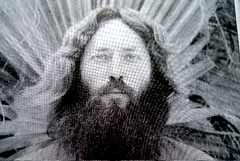
L’intensità di ogni singolo ideale vissuto in questa comunità era tale che la voce si sparse in tutta l’Europa e persino oltremare, mentre negli anni la comunità diventò progressivamente un sanatorio frequentato da teosofi, riformatori, anarchici, comunisti, socialdemocratici, psicoanalisti, seguiti da personalità letterarie, scrittori, poeti, artisti e alla fine emigrati di entrambe le guerre mondiali: Raphael Friedeberg, il Principe Peter Kropotkin, Erich Mühsam che definì Ascona “la repubblica dei senza patria”, Otto Gross il quale progettò una “Scuola per la liberazione dell’umanità”, August Bebel, Karl Kautsky, Otto Braun, forse anche Lenin e Trotzki, Hermann Hesse, la contessa Franziska zu Reventlow, Else Lasker-Schüler, D.H. Lawrence, Rudolf von Laban, Mary Wigman, Isadora Duncan, Hugo Ball, Hans Arp, Hans Richter, Marianne von Werefkin, Alexej von Jawlensky, Arthur Segal, El Lissitzky e molti altri.
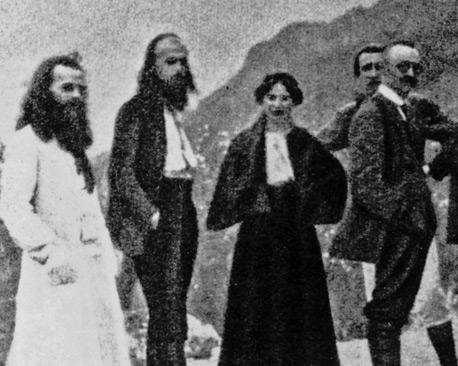
Nel 1920, dopo che i fondatori se ne andarono in Brasile, al Monte Verità seguì un breve periodo bohémien che durò finché il complesso venne acquistato come residenza dal barone von der Heydt, banchiere dell’ex imperatore Guglielmo II e uno dei maggiore collezionisti di arte contemporanea ed extraeuropea (le malelingue parlano del banchiere di Hitler e la proprietà dei quadri naturalmente ebraica non si sa bene in che modo sia passata al Barone … ). La vita bohémien si propagò da allora in poi nel borgo e nelle valli del Locarnese.
Oggi la Teosofia ad Ascona è viva grazie a https://teosofia.me/ : clicca per saperne di più
 ART ASCONA